

Explore Our Services
Who We Serve
At Learning Grove ABA, we specialize in serving young children ages 2–6 diagnosed with autism or developmental delays. These early years are critical for building communication, social skills, independence, and foundational learning abilities. Our programs are intentionally designed to support children during this important stage of growth in a setting that feels welcoming, structured, and developmentally appropriate.
-
We focus specifically on early intervention because the first years of life lay the groundwork for long-term success. By supporting children during this window of rapid brain development, we help build skills that carry into school and beyond.
-
We serve children who have received a formal autism diagnosis and/or those children that have a diagnosis concerning developmental delay. Applied Behavior Analysis (ABA) can help many different types of diagnosis, as such we work to provide services if possible.
-
Learning Grove ABA serves families throughout Marathon County and surrounding regions. We understand that access to specialized early childhood ABA services can be limited in some communities. Our goal is to provide a trusted, environment-centered option for families seeking thoughtful, structured support during the most important developmental years.
-
At Learning Grove ABA, we believe ABA should feel supportive, not restrictive. Therapy happens through play, movement, and connection. We prioritize building trust and engagement first, because children learn best when they feel safe and understood.
ABA is not a one-size-fits-all program. It is individualized, flexible, and centered around each child’s developmental level and goals.
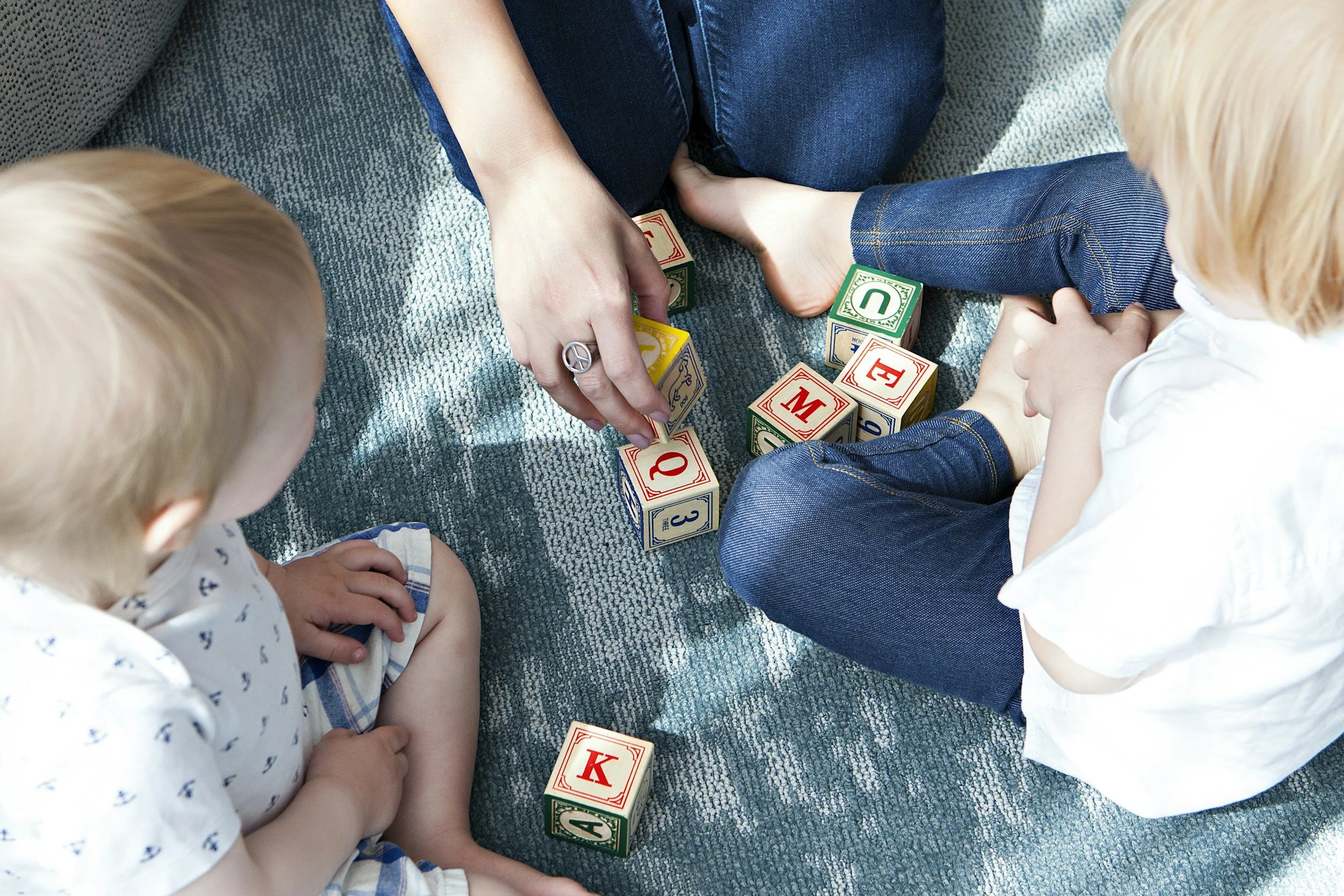
What is ABA and How does it Help?
How ABA Helps Young Children
For children ages 2–6, ABA can support:
Developing functional communication
Increasing social interaction and play skills
Building independence in daily routines
Reducing behaviors that interfere with learning
Preparing for school and group environments
These early years are a powerful opportunity for growth. With consistent support and the right environment, children can build strong foundations that carry forward into their future learning.
Applied Behavior Analysis, or ABA, is a research-based therapy that helps children develop meaningful skills through positive reinforcement and individualized support. ABA focuses on understanding how children learn and using structured teaching strategies to build communication, social skills, independence, and daily living abilities.
Rather than expecting children to simply “figure things out,” ABA breaks skills into manageable steps and celebrates progress along the way. Each program is tailored to the unique strengths and needs of the child.

Why Early Intervention Matters
The early years of a child’s life are a critical window for development. Between the ages of 2 and 6, the brain is rapidly building connections that influence communication, social interaction, behavior, and learning. Early intervention takes advantage of this window by providing structured support when it can have the greatest long-term impact.
During early childhood, children are developing foundational skills that shape their future success. These include:
Language and communication
Emotional regulation
Social interaction
Play and imagination
Daily living skills
Readiness for school environments
When support is provided early, children have greater opportunities to build independence and confidence before academic and social demands increase.
At Learning Grove ABA, we intentionally focus on ages 2–6 because we believe the right environment during these years makes all the difference. Young children learn through movement, exploration, and connection.
Early intervention is not just about addressing challenges today. It is about preparing children for kindergarten, classroom expectations, peer relationships, and long-term independence.
By supporting children early, we help lay the groundwork for lifelong growth.
Our Approach
At Learning Grove ABA, we believe therapy should feel supportive, engaging, and developmentally appropriate. While ABA provides the structure and research-backed strategies, our approach focuses on how those strategies are delivered. We prioritize connection first, because children learn best when they feel safe, understood, and comfortable in their environment.
Structured Yet Natural
We combine structured teaching with natural learning opportunities throughout the day. This balance helps children generalize skills in meaningful ways rather than only in structured settings.
Connection Before Compliance
Our team focuses on building positive relationships before introducing demands. When children feel supported and respected, they are more willing to engage, try new skills, and grow with confidence.
Individualized & Flexible
No two children are the same. Every treatment plan is individualized to reflect the child’s strengths, challenges, interests, and family goals. We adjust strategies as progress is made, ensuring therapy remains effective and responsive.
Developmentally Designed
Because we specialize in early childhood, our approach reflects how young children naturally learn. Movement, exploration, imitation, and play are built into the structure of therapy rather than treated as distractions from it.
“We do not simply deliver therapy. We create an environment where growth can happen.”

Our Environment
Environment plays a powerful role in how children learn and grow. At Learning Grove ABA, our spaces were intentionally designed for young children. Rather than adapting therapy to fit confined or clinical settings, we created an environment that supports movement, exploration, and meaningful connection.
-
Our classrooms allow children room to move, play, and engage naturally throughout the day. Learning spaces are structured but open, supporting both focused instruction and spontaneous social interaction.
-
Outdoor time is part of our daily rhythm. Children have access to grass play areas and playground environments that support physical development, social engagement, and sensory regulation. Real outdoor space provides opportunities that cannot be replicated indoors.
-
We strive to create a setting that feels welcoming rather than clinical. A calm, organized environment helps children feel safe enough to take risks, try new skills, and build confidence.
“Children do not grow in confined spaces. They grow in environments built for them.”
What We Focus On
At Learning Grove ABA, our focus goes beyond completing programs. We prioritize building meaningful skills that support independence, confidence, and long-term success. Our goal is not just progress during therapy hours, but growth that carries into home, school, and community life.
-
![]()
Communication
We work to develop functional communication so children can express their needs, wants, and ideas in ways that reduce frustration and increase connection.
-
![]()
Social Skills
Peer interaction is built into the rhythm of our day. We focus on sharing, turn-taking, cooperative play, and learning how to navigate social environments with confidence.
-
![]()
Emotional Regulation
We help children identify feelings, build coping strategies, and access regulation spaces when needed. Learning to manage emotions is foundational for success in school and beyond.
-
![]()
Independence
From daily routines to self-help skills, we support children in building independence appropriate to their developmental level.
-
![]()
School Readiness
Our early intervention focus prepares children for classroom expectations, group instruction, and peer interaction so transitions into school settings feel smoother.





Preparing for School and Beyond
Early intervention is not only about building skills for today. It is about preparing children for the environments they will enter next.
At Learning Grove ABA, we intentionally focus on skills that support success in classroom and group settings. This includes following routines, participating in group activities, responding to instructions, engaging with peers, and building the independence needed for kindergarten readiness.
Children practice transitioning between activities, participating in circle time, sharing space with peers, and developing the communication skills necessary to navigate classroom expectations.
We also collaborate with families to support smooth transitions into school settings when the time comes. Our goal is to help children feel confident, capable, and prepared for what comes next.

Partnering with Families
At Learning Grove ABA, we believe progress happens best when families and therapists work together. Parents are not separate from the therapy process. They are an essential part of it.
We prioritize open communication and transparency. Families receive daily written updates outlining what occurred throughout the day, skills practiced, and areas of growth. This allows parents to stay informed and feel connected to their child’s progress.
We also collaborate with families when setting goals, adjusting programs, and preparing for transitions into school settings. Our team values consistency between home and therapy environments, and we welcome ongoing dialogue about what is most important to your child’s development.
Parents often tell us they appreciate the level of care, intentionality, and honesty we bring to their child’s programming. We strive to create a partnership built on trust, clarity, and shared goals.
Enrollment Timeline
Beginning therapy can feel overwhelming. We aim to make the process clear, supportive, and organized from the very first conversation.Our goal is to keep families informed and supported throughout each step. From the first phone call to the first day of therapy, we prioritize transparency, communication, and thoughtful planning to ensure a smooth transition into services.
Families may be referred by a provider or reach out directly. After receiving a referral or inquiry, we schedule an intake phone call to gather general information and determine whether our program is the right fit. During this call, we review age requirements, diagnosis, insurance, transportation logistics, and answer initial questions.
Step 1: Initial Contact
Step 2: Assessment and Tour
If appropriate, we schedule an in-person assessment, typically within two weeks of the intake call depending on availability. During this visit, our BCBA meets with the family while a case manager works directly with the child. Families are given a tour of the center and time to ask questions.
If the family chooses to move forward, we develop an individualized treatment plan and submit it to insurance for authorization. We typically submit plans approximately two months before a projected start date to allow sufficient time for review and approval.
Step 3: Treatment Planning
Once insurance authorization is approved, we schedule a start date as soon as possible. Most families begin services within six to eight weeks of starting the process, depending on insurance timelines and availability.
Step 4: Authorization and Start Date
Interested in Services?
Fill out the form below and begin the journey to see if Learning Grove ABA is the right fit for your child and family.
